The food and beverage industry is entering a more demanding phase of its climate journey.
The food and beverage industry is entering a more demanding phase of its climate journey.
Across the UK and Europe, large retailers and manufacturers have invested heavily in carbon accounting software. Product carbon footprints are calculated. Scope 3 emissions reporting is underway. Life cycle assessment software and carbon emissions reporting tools are now widely adopted across food supply chains.
This progress matters. But in a tougher commercial environment defined by margin pressure, regulatory scrutiny and supply chain volatility, organisations cannot report their way to resilience.
...organisations cannot report their way to resilience.
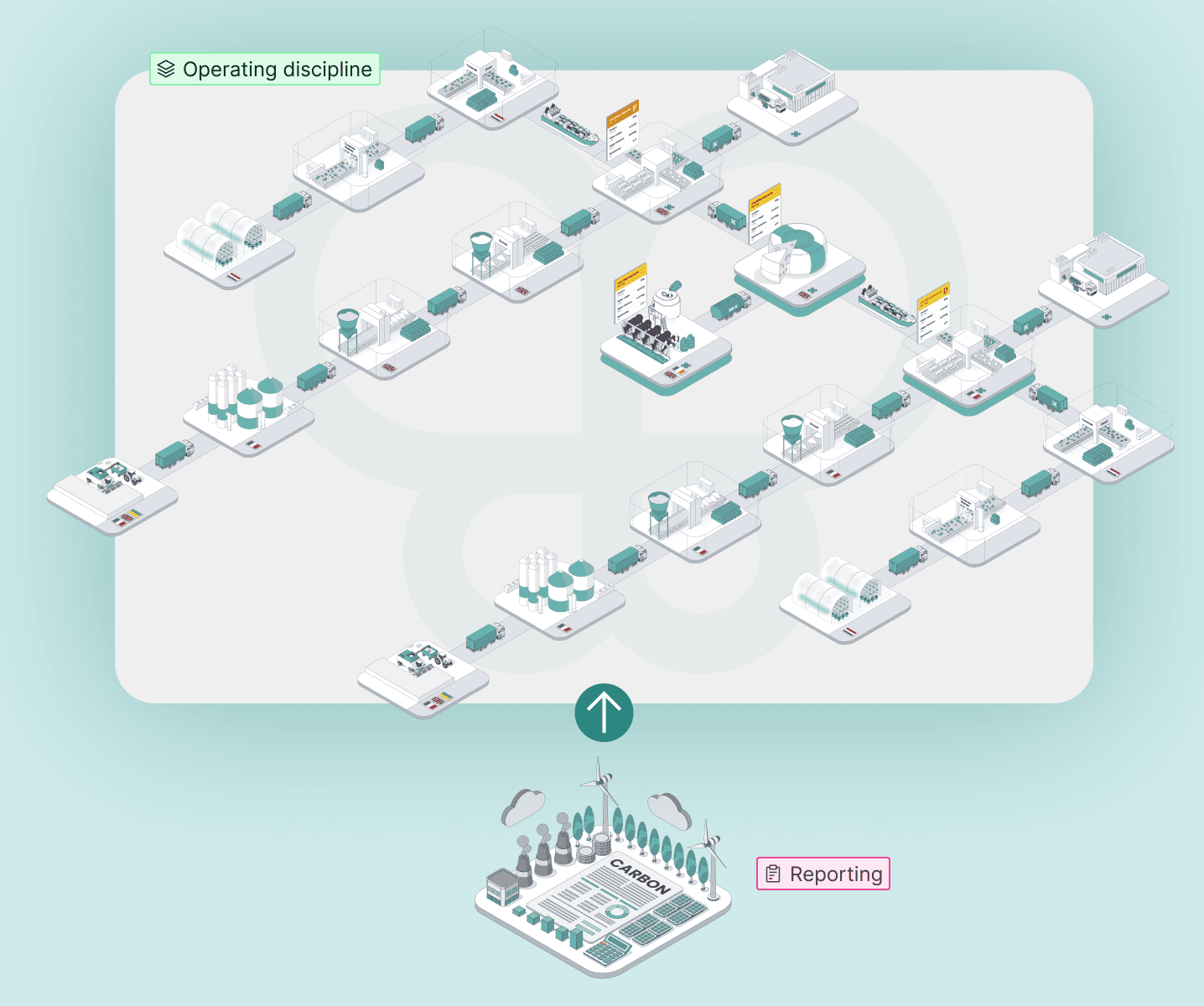
Traditional carbon footprinting software was designed for disclosure. It produces static snapshots of emissions across products and value chains. Yet food supply chains are dynamic. Ingredients change. Suppliers evolve. Volumes shift. Risk moves faster than reporting cycles.
Carbon is not created in reports. It is created, and reduced, through decisions.
Decisions about sourcing, farming practices, formulation, manufacturing, logistics and buying shape the true food carbon footprint of every product on shelf. When carbon is treated only as a reporting requirement, organisations can comply. When it is treated as an operating discipline, they can lead.
This is where the next generation of sustainability intelligence platforms must deliver more.
Mondra was built to go beyond traditional corporate carbon accounting and Scope 3 emissions software. We provide product carbon footprinting software and supply chain carbon accounting capabilities organisations expect, alongside the infrastructure required to use carbon data in day-to-day decisions.
By creating a living digital twin of every product, Mondra connects product carbon footprint data, supplier information and volume changes in real time. This ensures food carbon footprint calculations remain accurate, comparable and operational as ranges evolve. It also enables credible supply chain carbon footprint management across complex, international value chains.
This approach allows retailers to move from static carbon reporting to credible net zero planning. Teams can model the impact of change before it happens, set meaningful product and supplier targets, and track real, attributable emissions reductions over time.
In a market where confidence, credibility and resilience matter more than ever, food retailers need more than carbon footprint calculators. They need an enterprise carbon management platform that turns sustainability data into decisions.
Carbon is not just a number.
It is an operating discipline.
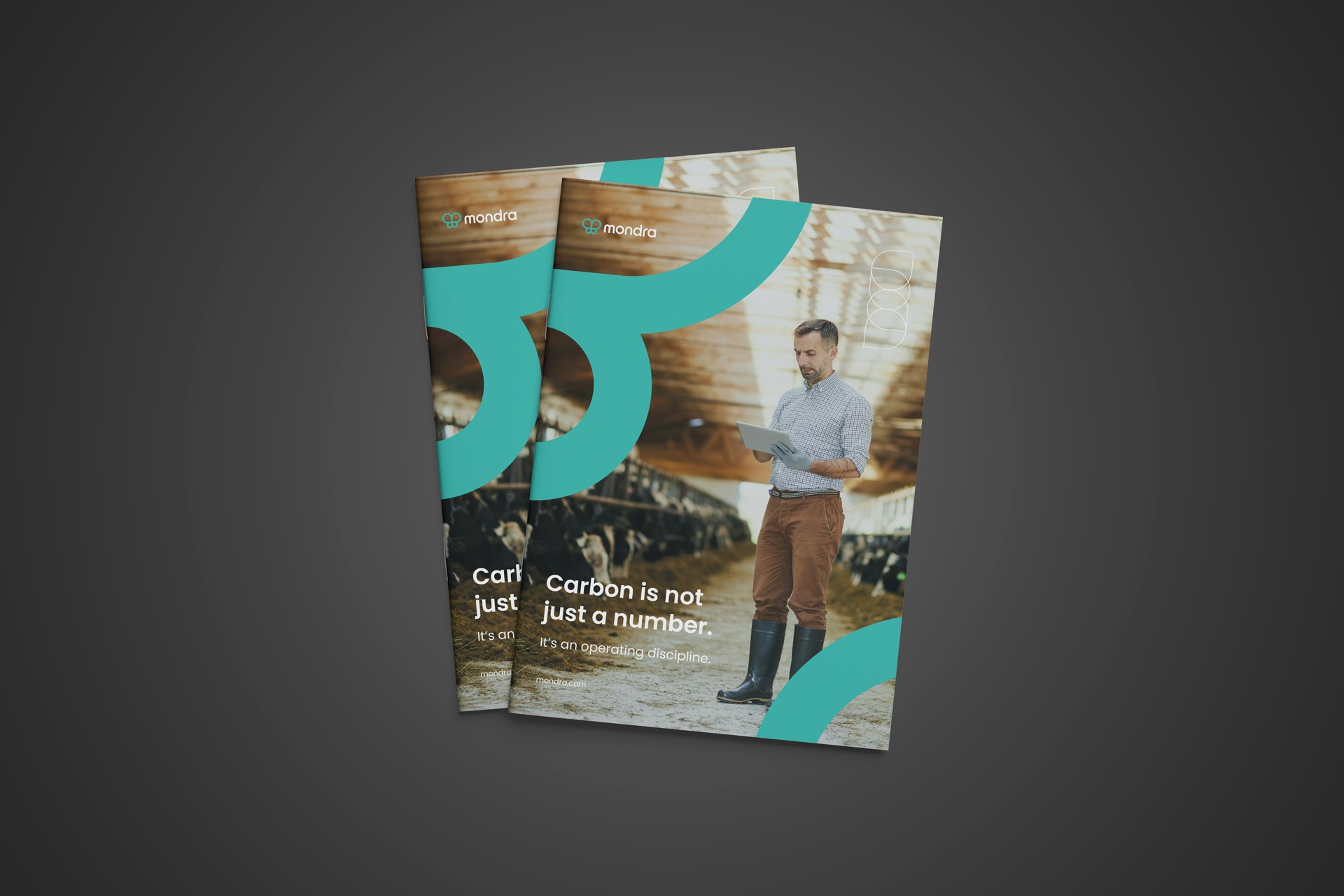
The Mondra Manifesto sets out a practical framework for moving beyond carbon reporting to decision-led sustainability execution across the food system.
Inside, you’ll find:
Why product-level carbon is the foundation of credible Scope 3 management
How to turn sustainability data into operational and commercial decisions
What it means to build resilience through system-led carbon management
How leading food retailers are approaching transition planning at scale
Download the Manifesto to understand how carbon can become a source of clarity, control and competitive advantage.

Jason Barrett
CEO and Founder
Jason Barrett is the CEO and co-founder of Mondra, where he leads strategy, partnerships, and coalition-building to accelerate climate impact at scale. With 20+ years in digital transformation, he previously co-founded a $50m tech business and is recognised as an award-winning systems thinker. Jason launched the BRC Mondra Coalition in 2022 to address Scope 3 emissions across the UK food sector using AI and automated Life Cycle Assessment (LCA).